An Overview of OCT Interpretation for Primary Care Optometry Part 1
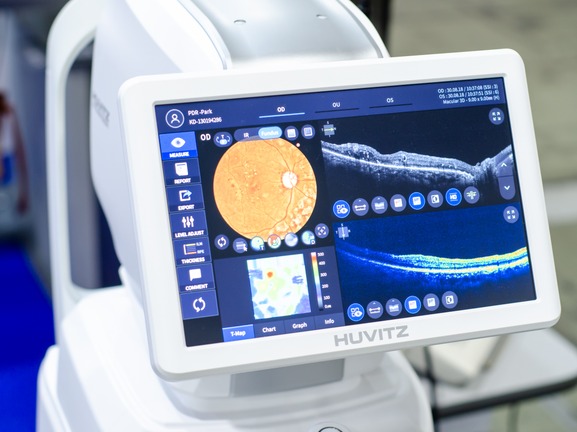
This distance learning article provides an overview of Optical Coherence Tomography (OCT) and its growing role in primary care optometry, particularly within enhanced eye examinations. It explains how OCT works, outlines normal retinal and optic nerve appearances, and describes how quantitative data, such as thickness maps and charts, can support clinical interpretation. The article highlights the value of OCT in identifying and differentiating retinal pathology, optic disc abnormalities, and normal anatomical variation. A key focus is the use of OCT in the early detection and monitoring of glaucoma through analysis of ganglion cell and nerve fibre layer changes over time. This is part one of a two-part series.
CPD Points: 1
Visionstryt credits: 1
Expiry Date: 31/12/2028
Downloads
Accredited by


Approved for

Optometrist (Ocular Examination, Ocular Disease)
Dispensing Optician (Ocular Examination, Optical Appliances)